
Upgrade Your Home with CPR Home Solutions
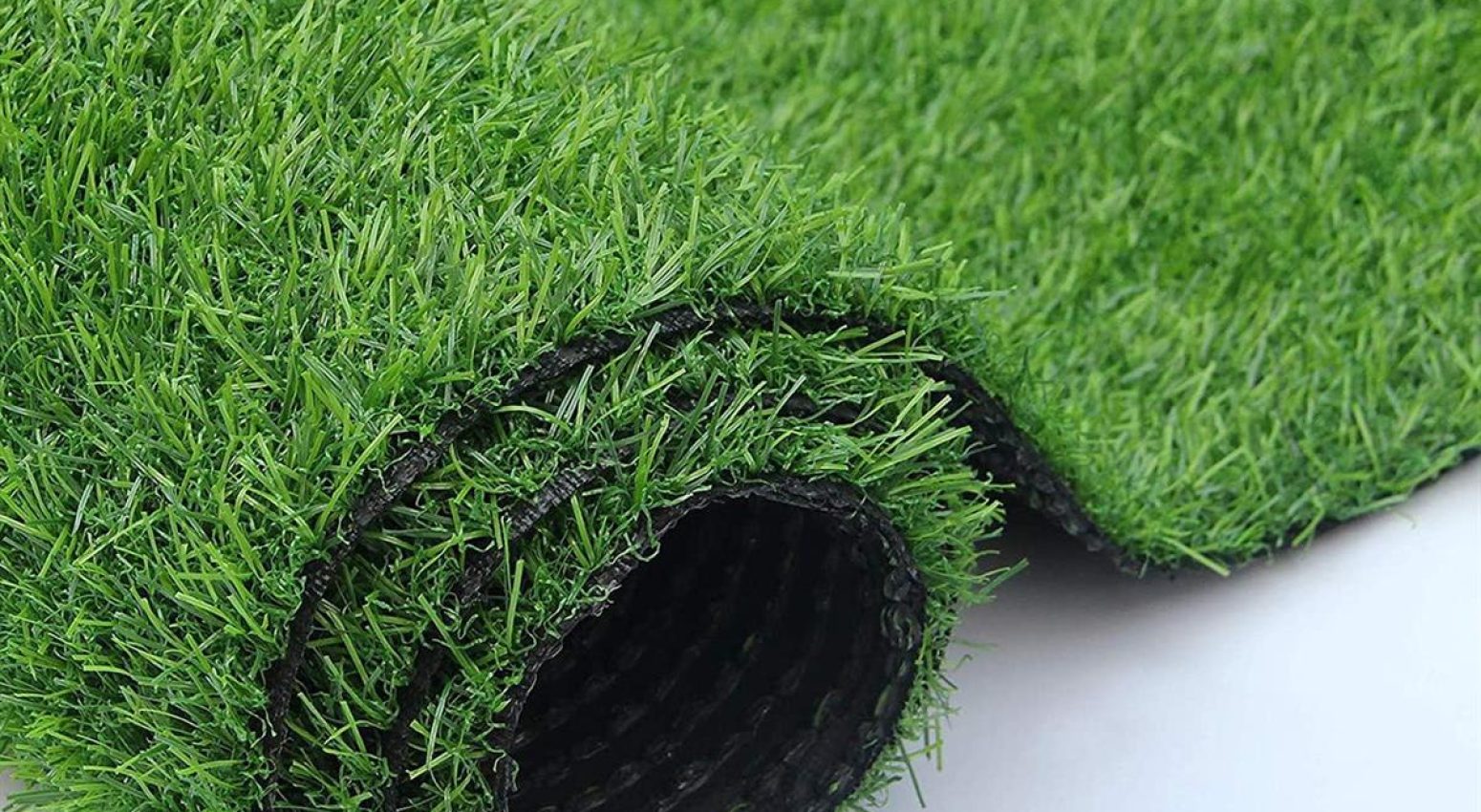
We are a full-service construction and home improvement company. Let our team handle your roofing, patios, artificial turf, gutters, insulation, windows, and exterior needs.
Our Commitment to
- Quality
- Community
We believe that every homeowner deserves a beautiful, safe home, and we are committed to making that vision a reality for as many people as possible with quality construction services.

CPR Home Solutions is a full-service home improvement company that provides quality workmanship and superior customer service at a competitive price. We’re dedicated to helping our clients improve their homes and are committed to giving back to the community by donating a percentage of our sales to help the elderly.
Roofing Service


We offer full roofing services for all types of properties, no matter what condition your roof is in. Whether you have water damage, broken shingles, or an aging roof, we can help!
Patio
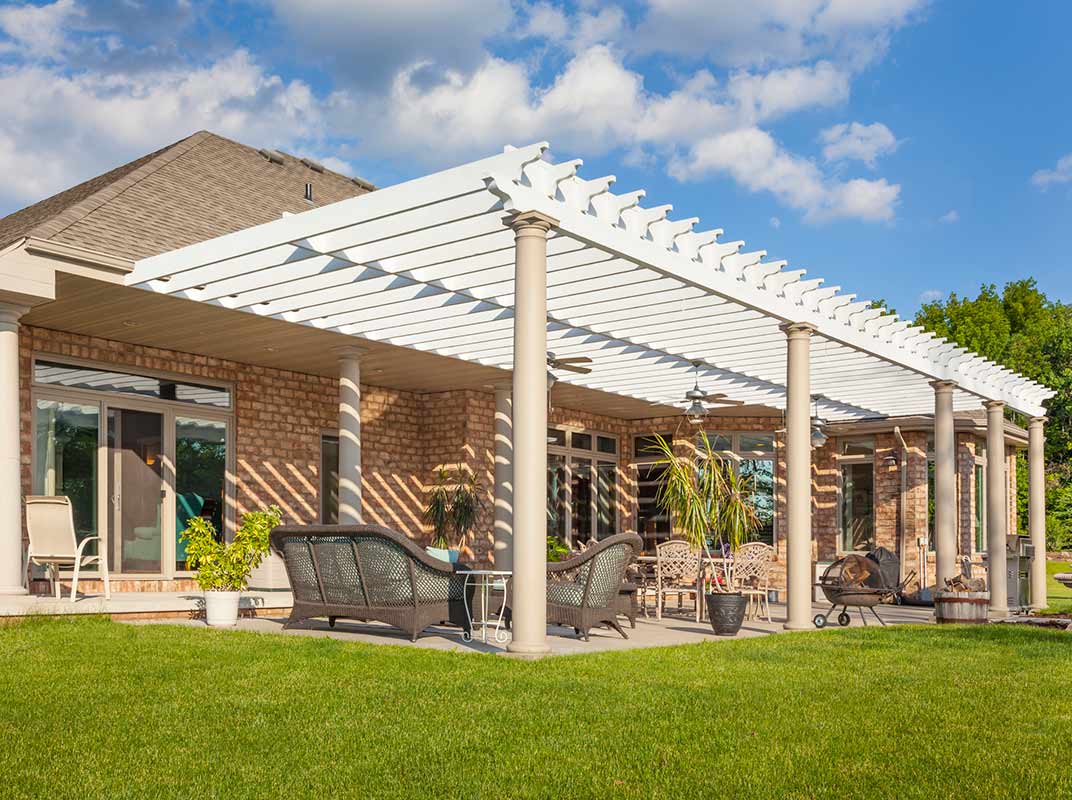

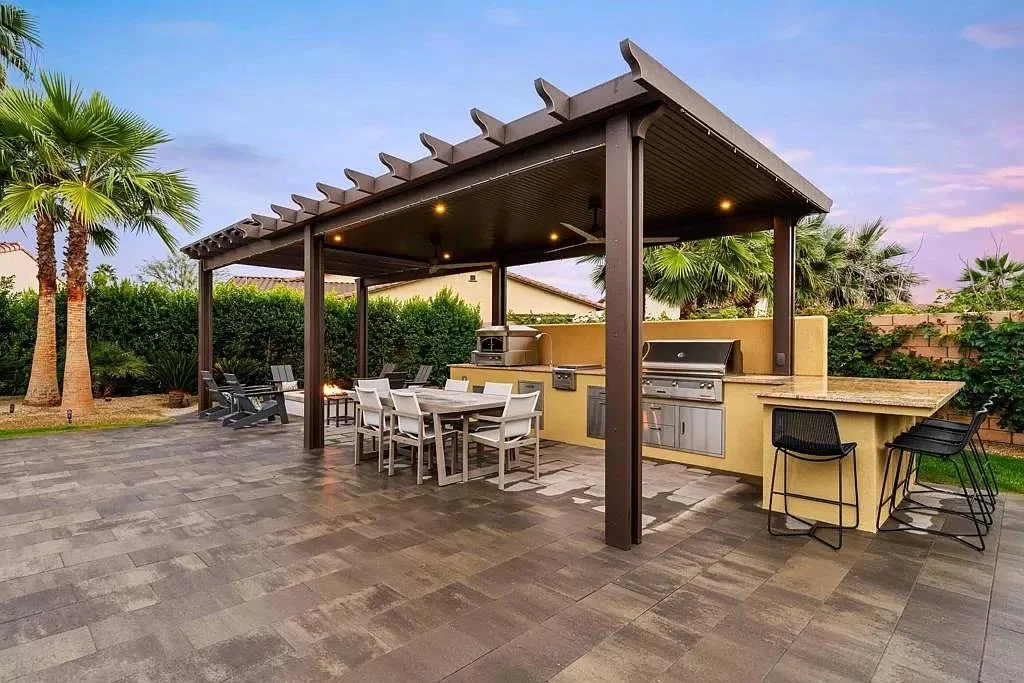
Custom patios, pavers, covers, and outdoor kitchens designed for comfort and durability.


Windows Service


Our installers are highly trained and experienced, and we specialize in high-quality window installations with a warranty for your peace of mind.
Exteriors Service

We provide high-quality stucco wood reconditioning and exterior lifestyle warrant services, so you don’t have to repaint your home. Our elastomeric technology offers a long-lasting, weather-resistant finish and is easy to clean.

Why Choose CPR Home Solutions
We’re a remodeling and roofing company with more than 10 years of experience. We’re also committed to giving back to the community. That’s why we allocate a percentage of our sales to help fix houses for the elderly in the community. This is our way of ensuring everyone can enjoy the comforts of a safe and well-maintained home.
How Our Process Works -
3 Simple Steps
Learn more about our process to get started with your home improvement project!
Contact Us
First, we will meet with you to discuss your needs and budget.
Get An Estimate
Next, we will provide a free estimate based your specific needs.
Get The Job Done
Finally, we will begin the work promptly and keep you updated throughout the process. Our goal is to provide high-quality services that exceed your expectations.
TESTIMONIALS
Trusted by Local Homeowners
Smooth Process
Really smooth experience from start to finish. On time, clean work, and great results.Heat Damage
SoCal heat messed up my roof more than I thought. They explained everything and fixed it right.Fast Response
Had a leak and they handled it fast. No hassle, just got it done.Great Work!
Didn’t realize how bad my roof was until they showed me. Super easy process and got it done quick. Solid team.Testimonials
 Posted on Google
 Kelly Luc
Trustindex verifies that the original source of the review is Google.
Overpriced roofing with poor installation. I had two representatives sell us an Owens Corning roof which they claim to be the best in protection and quality. After the first heavy rain in winter, our ceilings were DRIPPING IN WATER. The representatives no longer work there due to misconduct, client complaints and unlicensed sale representation. After repeated calls to CPR, they finally came to fix the roof. Unfortunately, the roof KEPT LEAKING!! They finally came after multiple repeated calls and texts again. I added another star in to this review because they finally came fixed the roof again, added anti-septic/beach (?), and repaired my ceiling. Let’s see what happens after the next rain fall, but for an overpriced roof, don’t understand why they couldn’t have done it correct the first time. AVOID CPR!!Posted on Google Your DaddyCpr home solutions totally let me down. They installed a new roof to my house and shortly after it had a leak. The roofing company cpr contracted came to my house and just put some sealant and said hopefully this works. All it did was hold the water under the roof shingles and now the wood is rotting and leaking more. I have repeatedly called cpr home solutions to solve this issue and they just give me the run around. I text them and sent them a picture of the rotting wood and just crickets from them. I also paid them to do an attic insulation with only owens Corning insulation but the company cpr hired used the cheapest insulation that the big box stores sell . So I paid cpr thousands only for them to use a couple of hundred dollars in insulation. This is what happens when cpr's project manager is never around to see what the people they hire are doing. I also checked cpr home solutions license number and it shows that it has been suspended by the state.Posted on Google
 Laura TenorioPlease save yourself the headache. This is an unethical company. The contractor Ryan/ Gumaro (whatever his name is) violated California law of having a reliable witness to sign the contract for seniors above 65 years of age, as my father is above 65, yet he did not have anyone sign as a witness. I called to cancel the contract and they did. It’s been over a week since we have no received our refund back. I am going to contact the California State Licensing Board and filing a claim against the contractor and company. What people say about “Ryan” is true about how he stops responding to calls, texts, and difficult to get in touch with. The email “Ryan” provides is not even valid. DO NOT DO BUISNESS WITH THIS COMPANY.Posted on Google
 Crystal Juarez
Trustindex verifies that the original source of the review is Google.
We had a great experience with CPR Home Solutions for our roof work. From start to finish, they were professional, patient, and easy to work with. Abraham took the time to answer our questions and made sure everything was done right. They also did an excellent job with cleanup—our yard was spotless after the work was completed. We’re really happy with how everything turned out and would definitely recommend them to anyone looking for quality, reliable service! -Juarez FamilyPosted on Google Myrna FernizaI want to potentially save some one from having the same experience I had. On 9/28/2024 I made a contractual agreement with CPR for all new windows. The timeline of the contract was "4 to 6 weeks". On 1/4/2025 over three months later the windows were finally completed. Anthony and then Tania were my points of contacts. Tania is "RYAN'S Partner" DON'T GIVE THEM ANY MONEY UNTIL YOU HAVE IT IN WRITING. If I hadn't held the money, I believe they would have never completed the job. TWO Stars because the windows to make the home look great. I just wish it would have been a better experience. CPR needs some CPR of its own.Posted on Google
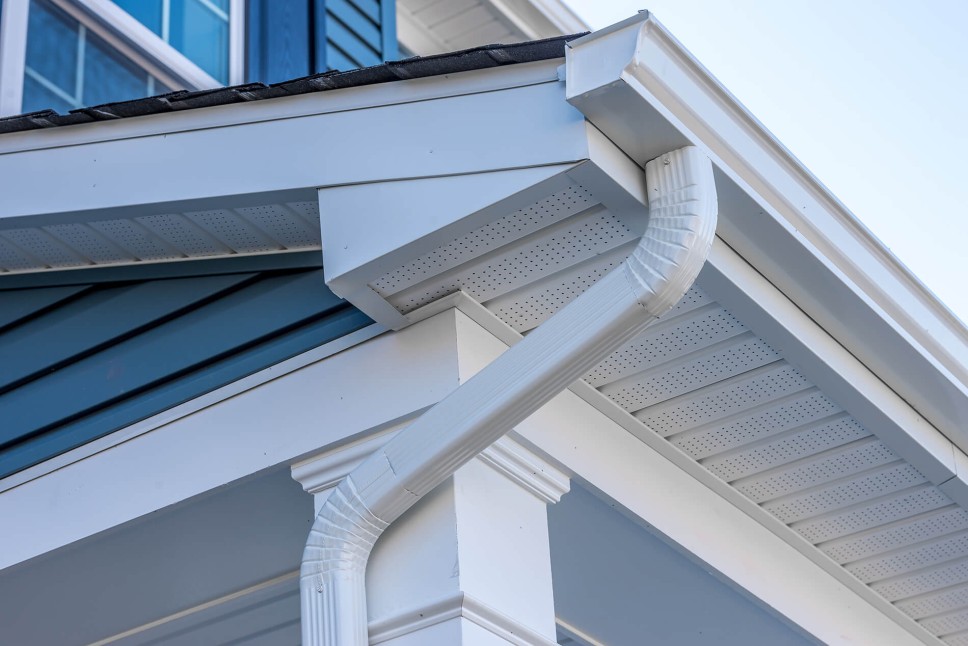
 sylvia wongMy experience with CPR home solution was great I had my gutters done they were done professionally and they answered any concerns we had we would definitely 👍 recommend to neighbors and friends . Abraham was the representative that helped us through the process we are happy with him and his installers .Posted on Google
 Connie JacquesThis company is very detailed starting with the visit from Abraham who went through all details of the job. His workers were polite or very well organized, and did a great job. I Think anyone who hires this company is going to get a great job no matter what they do.Posted on Google
 Amber MarquezFirst off my experience with CPR Home Solutions was just amazing from the start of the girl that came to my door. Very polite, very professional they exceeded my expectations entirely. The representative that came out to my home for the estimate of my exterior paint job was knowledgeable and confident in getting the job done. From the moment we signed the work order throughout the entire job he was there all the way through until completion. Assured me of the job turning out beautiful and it definitely did. The materials they used were super beneficial for us. Our home is sooo much cooler and looks like a totally different home thanks again for the amazing job guys will definitely be looking into getting more work done with them.Posted on Google
 Cristian VegaCristian did a wonderful job on behalf of CPR Home Solutions. I would definitely recommend them to anyone in the San Gabriel Valley or in the Los Angeles area. They weren’t necessarily the cheapest, but I was very happy with what I paid for.Posted on Google
 Fernando CruzIf you’re reading this review, PLEASE go with another contractor. Ryan and his whole company (CPR Home Solutions) are frauds and completely irresponsible. At the beginning of my relationship with CPR all my calls/texts were picked up and replied to within seconds. Of course they wanted my $23,000+ business. 3 years later, a spot on my roof has some shingles lifted off due to a couple of windy days that hit my area. I’ve been trying to get in touch with Ryan/CPR for almost 2 weeks now to request for the damage to be fixed through the 50 year warranty that came with my contract and no luck. None of my phone calls have been returned nor my texts been replied to. I came on here and found several reviews of other customers that have had the same issue with Ryan and CPR in the past year. I need to get in touch with 2 friends that I referred to CPR for their roofing needs and ask them to do their due diligence on the job done on their homes. I would feel terrible if they were to deal with my current situation down the road. So please, stay away from this company. I will be contacting the BBB, SOS and seeking legal representation against Ryan and his company. Completely unacceptable!

Contact Us
- 626 427 3331
- contact@cprhs.com
- 12631 Imperial Hwy. F200, Santa Fe Springs, CA 90670, United States
- 8:30 am to 5:30 pm M-F / No weekends